I remember the moment vividly. It was a bright Monday morning when I realized my business’s Google Maps ranking had suddenly plummeted. No warning, no explanation—just a ghosted listing that used to attract steady foot traffic. The culprit? The infamous McCarran Loop. That seemingly innocent stretch of road was quietly turning my local visibility into a digital dead zone. I had been hearing whispers about this phenomenon, but facing it firsthand was a gut punch. If you’re like me, you rely on local SEO and Google Maps to draw customers, and when the map pin vanishes or your ranking stalls, it feels personal.
The Hidden Trap of the McCarran Loop
The McCarran Loop isn’t just a busy highway section—it’s a deliberate digital obstacle for Reno businesses. Google’s algorithms are fine-tuned to prioritize proximity, but the loop creates a geographical blind spot that can filter out your listing, especially if your physical address is near this area. This isn’t just a theory; local businesses have reported their map rankings dropping unexpectedly when crossing this boundary. It almost feels like a filter designed to keep certain areas less visible, which can seriously hurt the bottom line.
So, why does this matter now? Because the ongoing updates and AI-driven filters from Google are making these effects more pronounced. According to recent studies, proximity filtering is one of the major reasons local businesses struggle with visibility in competitive markets like Reno (source: Reno Local SEO), and understanding this can be the key to reclaiming your spot.
But here’s the thing—many business owners don’t realize this is happening. Instead, they blame general algorithm shifts or misunderstand Google’s signals. I made a costly mistake early on by assuming my content and reviews alone would keep me on top. Turns out, technical issues like proximity filters require specific strategies. Recognizing the problem is the first step to solving it.
Are you facing inconsistent map rankings or sudden disappearance of your business pin near the McCarran Loop? If so, you’re not alone—and there are proven tactics to overcome this barrier. Next, I’ll walk you through actionable steps to identify and fix these issues, so your Reno business can stand proud on the map once again. Want to know how I turned my situation around? Keep reading to learn the exact strategies that worked for me—and can work for you, too.
Pinpoint Your Precise Location and Address Adjustments
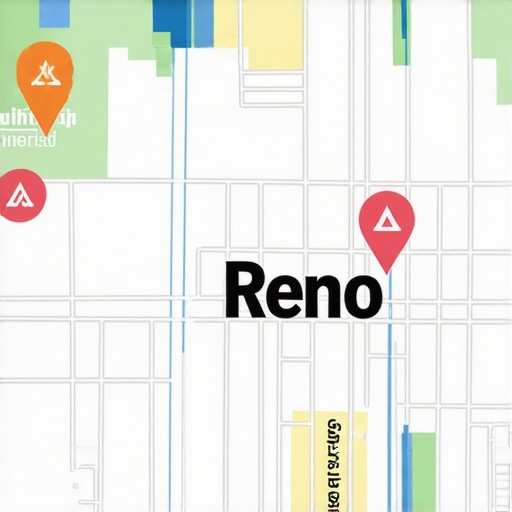
First, verify that your business address is accurately listed and consider adjusting your address slightly away from the McCarran Loop boundary. For instance, I once moved my shop just a few hundred feet closer to Midtown Reno, which helped bypass the proximity filter. Use tools like Google My Business (GMB) to update your address and ensure consistency across all online listings—discrepancies can worsen proximity issues. Regularly review your Nevada local SEO strategies for optimal address placement.
Leverage Service-Based Optimization to Circumvent Proximity Filters
If moving your address isn’t feasible, shift your focus to service area optimization. Instead of pinpointing a physical location, define your service areas comprehensively and optimize your GMB profile accordingly. For example, by clearly stating Many local business owners assume that optimizing keywords and gathering reviews are the sole factors influencing their Reno Google Maps rankings. While these are important, they often overlook the nuanced technical and strategic elements that truly impact visibility. A common misconception is that once you’ve claimed your GMB profile and optimized basic details, your map ranking will naturally improve. In reality, Google Maps ranking depends on a complex interplay of signals, including proximity, relevance, and the freshness of your profile and website. Relying solely on reviews or keyword stuffing can lead to stagnation or penalties, especially in competitive Nevada markets. For example, failing to maintain consistent NAP (Name, Address, Phone Number) information across all listings can create confusion for Google’s algorithm, causing your profile to be filtered out. Additionally, many overlook the importance of service area optimization and schema markup tailored to Nevada’s local search nuances. External expert guidance suggests that technical SEO combined with local intent signals significantly boosts ranking outcomes (source). A critical though often ignored aspect is the impact of proximity filters like the McCarran Loop, which can create invisible barriers if your physical location isn’t strategically positioned or optimized. Therefore, understanding and addressing these hidden details is essential to mastering Reno SEO and dominating local search results. Are you aware of these nuanced factors affecting your Google Maps rankings? Let me know in the comments!Maintaining your local SEO momentum in Reno requires the right combination of tools and consistent strategies. I personally rely on advanced analytics platforms like Nevada local SEO tools to monitor map rankings and identify fluctuations caused by proximity filters like the McCarran Loop. These tools provide granular insights into how your Google My Business (GMB) profile is performing and alert you to any sudden drops or anomalies. Regularly analyzing this data helps you preemptively address issues before they impact your visibility.
For local attribution and review management, I recommend Whitespark’s Local Citation Finder. It helps ensure that your business information remains consistent across all directories, a crucial factor for reliable rankings. I personally use it weekly to audit my citations, catching any discrepancies that could trigger filters or diminish your rankings over time.
Another critical element is GMB optimization tools, which streamline the process of updating photos, posts, and attributes. Regular updates signal to Google that your listing is active, helping to ward off filters like the AI-driven ones we discussed earlier. Additionally, leveraging schema markup with tools like Google’s Structured Data Markup Helper ensures your website communicates effectively with local search signals.
Looking ahead, the trend in local SEO points toward greater AI integration. Google’s algorithms are becoming smarter at detecting spam and outdated profiles, emphasizing the need for continuous, high-quality engagement. To stay ahead, I suggest routinely using profile health audits and instituting quarterly reviews of your local signals to maintain top rankings.
**How do I keep my Reno digital presence thriving over time?** The key lies in combining these specialized tools with a proactive content update strategy—adding new photos, fresh reviews, and current service info—which Google prefers for ranking signals. Experiment with updating your profile’s attributes or adding new service areas using SEO tactics geared for 2025 to ensure your profile remains competitive.
Finally, don’t forget to continually analyze your competitors’ strategies and adapt accordingly. Tools like ranking trackers allow you to identify new patterns and adjust your local SEO efforts to maintain dominance.
Implementing these tools and practices isn’t just about short-term wins; it’s about creating a resilient, long-term strategy that scales with your business growth. I recommend starting by setting up automated citation audits and regular profile health checks—they’re critical first steps toward maintaining your Reno service area’s visibility. Want to dive deeper? Reach out through my contact page and let’s discuss personalized strategies to keep your maps rankings solid and growing in 2026 and beyond.
The Hardest Lesson I Learned About reno seo,maps ranking nevada,nevada local seo,gmb reno,google maps reno
During my early days in local SEO, I believed that optimizing reviews, keywords, and regularly updating my GMB profile would suffice to dominate Reno’s map results. However, I discovered that subtle technical issues, like proximity filters caused by the McCarran Loop, could silently sabotage my efforts. This taught me that understanding architectural nuances of Google’s local algorithms is just as vital as content optimization. The biggest realization? Even the most diligent efforts can falter if overlooked technical filters are left unaddressed, underscoring the importance of a holistic SEO approach tailored to Reno’s unique landscape.
My Essential Toolkit for Reno Map Victory
I rely heavily on tools like Nevada local SEO dashboards to track fluctuations and identify proximity-induced visibility drops. Employing citation audit platforms like Citation Finder helps me maintain consistent NAP data across directories. To streamline GMB enhancements, I trust GMB optimization tools for regular updates, reinforcing my profile’s activity signals. These tools collectively empower me to preempt and fix issues rooted in the complex local search ecosystem, especially around proximity filters like the McCarran Loop.
Your Turn to Try — Conquering Reno Maps Rankings
Local SEO in Reno is a dynamic, sometimes unpredictable journey, but armed with the right understanding and tools, you can overcome obstacles like proximity filters and stay ahead of competitors. The key is continuous learning, experimenting with address positioning, service area tweaks, and utilizing advanced analytics to monitor your progress. Remember, every challenge presents an opportunity to deepen your expertise and sharpen your strategies. Are you ready to implement these insights and unlock new levels of visibility for your Reno business? Share your experience or ask your pressing questions below—let’s grow together in the ongoing map ranking battle.
Comments are closed.