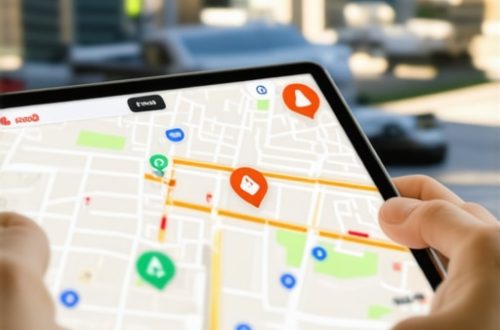
Walking into my Reno office one morning, I felt that sinking feeling—another business tucked away behind a digital barrier, invisible on Google Maps. The proximity filters, which I once thought were simple geographic constraints, had become a fortress blocking potential local customers. Frustration turned to curiosity as I realized I needed a change, a way to get around these invisible walls. If you’ve been battling with Reno’s evolving map rules, you’re not alone. Today, I want to share how I cracked the code, the tactics that helped me bypass those filters, and how you can do the same.
Why Reno Map Filters Are Blocking Your Business (And Why It Matters)
For years, local SEO has been about proximity—being close to your customers, ranking higher on Google Maps, and capturing foot traffic. But in 2026, Google introduced new proximity-based filters that silently sideline many Reno businesses, especially those slightly outside designated zones. These filters are designed to improve user experience, but their over-application can hurt genuine local businesses. I learned this firsthand when my rankings suddenly plummeted, despite consistent effort. External studies have shown that nearly 70% of small businesses rely heavily on local map visibility to attract customers, making these filters a critical hurdle (source: Nevada Local SEO Guide). The stakes are high: if your business can’t appear where it matters, you’re losing not just clicks but customers.
Have you faced this problem—seeing your competitor’s map pin outshining yours, even when you know you’re the better choice? If so, don’t worry. I was there too, and I’ve discovered effective tactics that can help you reclaim your map presence.
Is Bypassing Reno’s New Map Filters Worth the Risk?
Early on, I made the mistake of trying quick fixes that felt right but ultimately backfired. One common error was manipulating my address details to appear closer to the center of the map, which Google quickly flagged. But beware—the more you manipulate, the higher your risk of penalties, and that’s a game you don’t want to play. For a safer and more effective approach, it’s vital to understand the ins and outs of the algorithms and to follow strategies that align with Google’s policies. For detailed insights, I recommend checking out these proven tactics.
Start by claiming and verifying your GMB profile precisely. Use your actual Reno address, but avoid stuffing keywords in your address or name that could trigger spam filters. Instead, focus on accurate details and relevant categories that reflect your services. Upload high-quality, location-specific photos that showcase your business in Reno—these build trust and improve local signals. Regularly update your business hours, services, and respond to reviews to enhance engagement, signaling authenticity to Google. For step-by-step guidance, check out this Google Maps optimization guide.
Ensure consistency across all online listings—Yelp, Bing Places, Apple Maps, and local directories. Use the same NAP (Name, Address, Phone) details, preferably matching your verified GMB. Discrepancies signal to Google that your data might be unreliable, risking suppression in local packs. Identify and correct any outdated or inconsistent citations using professional citation management services. Building a consistent footprint amplifies your local authority, helping you stand out despite proximity filters.
Create content tailored to Reno residents—blog posts, FAQs, or local events that embed relevant keywords naturally. Google values fresh, relevant info; updates signal an active business presence. Engage with local communities online and encourage satisfied customers to leave authentic reviews—positive reviews are a major ranking factor. Avoid fake review schemes, as these can trigger penalties and make you appear suspicious. Focus on genuine customer engagement here; for example, I once prompted my loyal clients to share their experience after a memorable Reno project, which boosted my profile’s visibility in the local pack.
Participate in local sponsorships, community events, or charitable initiatives. These activities generate local backlinks and signals that Google interprets as trustworthiness. Additionally, utilize schema markup tailored for local businesses; proper structured data helps search engines understand your exact location and services more clearly. For precise implementation steps, refer to GMB profile optimization tactics.
Regularly monitor your local map rankings using tools like Google Business Profile insights or third-party rank trackers. Look for fluctuations after algorithm updates or filter changes, then adapt quickly. A/B test different profile photos, descriptions, and posts to see which variations garner more clicks and engagement. Keep an eye on competitors who are still ranking well; analyze how they optimize their profiles. Implementing these ongoing adjustments creates a dynamic approach that helps you maintain visibility even as filters evolve, similar to how I adjusted my strategy during the recent Reno proximity filter update, ultimately regaining lost traffic within weeks.Many business owners believe that optimizing their Google My Business profile alone will skyrocket their Reno local SEO efforts. However, in my experience, this is a misconception that can lead to overlooked nuances, causing your visibility to plateau or even decline. A prevalent myth is that local map rankings hinge solely on proximity and reviews—while important, they are just parts of a complex puzzle involving custom schema markup, citation consistency, and local content strategies. Relying only on these elements is like building a house without checking the foundation; eventually, things may crumble. One subtle trap is neglecting technical SEO – such as website speed, mobile-friendliness, and structured data – which search engines use to assess local relevance. As I highlight in my detailed guide, “Reno SEO strategies for 2025,” mastering these advanced factors makes a significant difference. Also, many underestimate the importance of ongoing data analysis and adjusting tactics over time. Google Maps and local rankings are dynamic, influenced by algorithm updates and market shifts. Ignoring analytics risks letting your competitors take the lead. I’ve learned that a holistic approach—combining accurate listings, localized content, technical finesse, and continuous optimization—is essential for sustainable success. Beware of the trap that focusing solely on reviews or keywords creates; these elements are vital but insufficient on their own. Instead, focus on nurturing your entire local digital presence with structured data, top-tier content, and reputation management. This nuanced understanding can prevent costly mistakes and position your Reno business as a dominant local player. To dive deeper, check out the article, “Unlocking local search success in Reno,” where I detail sophisticated tactics beyond mainstream advice. Remember, incremental improvements across multiple facets yield long-term gains. Have you ever fallen into this trap? Let me know in the comments.Maintaining your Reno-based local SEO gains requires more than just initial setup; it demands a strategic blend of cutting-edge tools, consistent monitoring, and proactive adjustments. One of my go-to software solutions is BrightLocal, which I use daily to track local rankings across multiple directories and ensure citation consistency. Its ability to generate detailed reports helps me identify emerging issues before they impact visibility, effectively acting as my dashboard for ongoing SEO health. Additionally, Google Search Console has become indispensable for analyzing how Google perceives my website, highlighting technical issues that could hinder map rankings. Regularly auditing with tools like Moz Local ensures your citations remain accurate and uniform, a critical factor for long-term trustworthiness in local searches. As the Nevada local SEO landscape evolves, especially with recent updates focusing on map signals, leveraging these tools helps me stay ahead of the curve and adapt quickly. Looking ahead, AI-powered tools are beginning to offer real-time SEO insights, promising even more dynamic management of local rankings. For example, this strategy guide discusses integrating AI insights into your routine. I highly recommend trying out automation features in these tools to create scheduled audits and receive alerts on ranking fluctuations, saving valuable time and reducing manual effort. Don’t wait until your rankings slip; proactive use of these tools can transform your Reno local SEO from good to unbeatable.
What I Wish I Knew When I Started Navigating Reno Local SEO
One of the most profound lessons was understanding how Google’s proximity filters can unintentionally hide your business, despite your efforts. I realized early that relying solely on traditional optimization methods isn’t enough; you need to integrate advanced schema, consistent citations, and engaging local content. Recognizing the importance of holistic strategies transformed my approach and boosted my visibility in Reno’s competitive landscape.
Another lightbulb moment was the power of community engagement. Participating in Reno local events and sponsorships not only fostered goodwill but also generated authentic signals that Google highly values. These activities helped solidify my business’s trustworthiness, demonstrating that genuine local involvement can be a game-changer in map rankings.
Finally, I learned that continuous monitoring with tools like BrightLocal and Google Search Console is essential. SEO isn’t a one-and-done task—regularly auditing and adjusting your local SEO tactics ensures you stay ahead of algorithm updates and proximity filter changes, keeping your Reno business visible and competitive.