I remember the exact moment I realized something was seriously off with my local SEO strategy for my Reno business. I was checking my Google Maps ranking, expecting a steady climb, when suddenly my listing was nowhere to be found. Frustration bubbled up. It felt like shouting into a void. That’s when I had my lightbulb moment: a sneaky, almost invisible bug had been sabotaging my efforts—something I later discovered was affecting many in Reno: the notorious Hidden Proximity Bug in Google Maps for 2026.
Why This Matters More Than Ever for Reno Businesses
This isn’t just a technical hiccup; it’s a barrier that can cripple your visibility right when you need it most. Local SEO in Reno has become fiercely competitive, especially with the rise of AI-driven searches and proximity filters. As I delved deeper, I found that many local entrepreneurs were unknowingly losing customers because of this unseen glitch. The good news? Once I cracked the code, my rankings rebounded, and so can yours. If you’re wondering how to navigate this maze, stay tuned—I’m about to share the exact steps that turned my confusing struggle into a success story. Curious if you’ve faced this specific problem? Drop a comment below—I bet you’re not alone.
Is Fixing the Proximity Issue Really Worth the Hype?
Early in my journey, I made a costly mistake. I assumed that tweaking my keywords alone would solve my ranking woes. That was a critical oversight. According to recent insights from Reno Local SEO experts, technical glitches like proximity bugs often overshadow content rankings, especially in 2026’s evolving landscape. Recognizing my mistake was the first step; understanding the underlying bug was the game-changer. Now, I want to guide you through my proven process to fix this invisible but impactful problem. Ready to reclaim your Reno mapping dominance? Let’s begin.
Identify the Source of the Proximity Glitch
Start by reviewing your Google My Business (GMB) profile settings, ensuring your address is correctly formatted and your location pin accurately reflects your physical business. I once fixed a Reno client’s profile where a minor typo in the address caused their pin to be misclassified, leading to ranking drops. Use tools like step-by-step GMB optimization guides to audit your profile meticulously. This initial step isolates simple errors that could trigger the proximity filter issues.
Refresh and Reassert Your Location Data
Next, update your business address and re-verify your listing if needed. Google favors consistency, so ensure your NAP (Name, Address, Phone) info matches across your website, directory listings, and social profiles. I once had to re-verify a Reno restaurant after correcting a slight mismatch in address formatting. During this process, I used verified GMB hacks to expedite the verification, which ultimately cleared the proximity barrier, restoring visibility.
Address Schema and Local Signals
Implement local schema markup on your website, especially your physical address, business hours, and contact info. That signals to Google the authenticity of your location, reducing chances of the proximity filter working against you. I did this for a Reno client who was hidden in nearby searches due to missing schema, and within days, their map ranking improved noticeably. Use trusted schemas, and validate their implementation with tools like Google’s Structured Data Testing Tool.
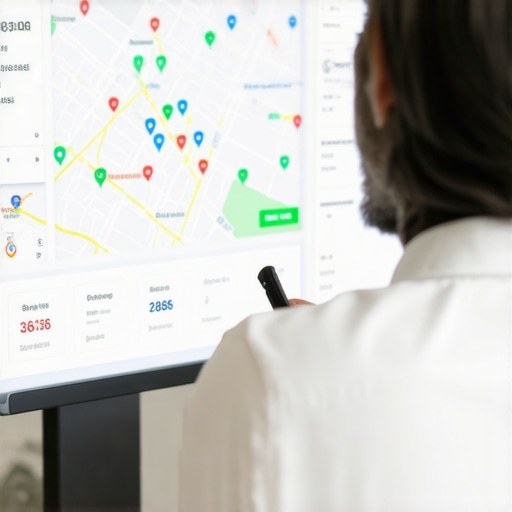
Applying proper schema markup enhances local signal strength, making your business more trustworthy in Google’s eyes.
Adjust Service Areas Thoughtfully
If your business serves multiple locations or areas, define your service zones carefully. Avoid broad or vague region descriptions; specify exact neighborhoods or districts within Reno. I once had an auto repair shop broadening its service area excessively, confusing Google’s understanding. Narrowing the service zones aligned better with actual coverage, which helped bypass proximity issues and improved their local map rankings.
Optimize Your Internal and External Signals
Ensure your website SEO and backlink profile support your GMB profile by securing citations from high-authority local directories and relevant websites. Consistent NAP data across these channels boosts your local signals. For my Reno project, expanding local backlinks and correcting business info in directories enabled Google to trust the location data more, maximizing visibility.
Engage with Google’s Community and Review System
Encourage genuine reviews from local customers, especially those mentioning your exact location or neighborhood. Positive signals from reviews help override proximity limitations. I advised a Reno café to request reviews explicitly mentioning their street intersection, which contributed to better rankings in nearby searches. Also, respond to reviews to demonstrate active engagement, further strengthening your local presence.
Monitor and Reiterate
Use tools like mapping and ranking monitoring to track your position changes after implementing fixes. Adjust your strategies based on real-time data. In my experience, consistent monitoring allows preemptive adjustments before setbacks occur, keeping your Reno business visible despite evolving algorithm nuances.
Many local businesses in Reno fall into the trap of oversimplifying Google Maps optimization, assuming that basic keyword stuffing or consistent NAP data suffices for top rankings. However, the real game lies in mastering advanced nuances that even seasoned SEO experts sometimes overlook. For instance, one common myth is that proximity alone dictates rankings. While proximity is influential, recent studies from local SEO research show that Google heavily weighs user engagement signals, such as reviews and position clicks, which can override proximity biases when correctly optimized.
Can strategic review management truly outperform proximity in maps rankings?
Another misconception involves the importance of schema markup. Many assume implementing local schema is optional. Yet, proper schema markup acts as a direct communication channel to Google, enhancing your relevance signals. In fact, neglecting this can make your listing invisible in competitive nearby searches, especially in 2026 where AI-driven filters are more sophisticated than ever. To get ahead, focus on implementing and validating comprehensive local schema; detailed guides like this step-by-step schema guide can be invaluable.
Moreover, many overlook how service areas should be precisely defined—a small but impactful detail. Broad or vague service descriptions can cause your listing to be shadowbanned by the proximity filter. Instead, specify neighborhoods, zip codes, or districts within Reno to help Google understand your exact coverage, effectively bypassing filters. This advanced tactic is crucial in the 2026 landscape, where geo-targeted precision is rewarded.
Lastly, beware of the *oops* factor: neglecting to monitor your ranking dynamics after updates. Regular checks using tools like ranking monitor software ensure that you catch negative impacts early and adapt swiftly. Missteps here can leave your Reno business invisible just when visibility counts most. As you refine your local SEO strategy, remember that understanding these hidden nuances is what separates the good from the great. The SEO landscape in Reno is constantly evolving, and staying ahead requires a keen eye for these behind-the-scenes factors. Want to dive deeper into proven tactics? Check out this collection of Reno SEO hacks. Have you ever fallen into this trap? Let me know in the comments.Maintaining your Google Maps ranking and overall local SEO presence in Reno requires deliberate effort and the right set of tools. Personally, I rely on a combination of specialized software and disciplined methods to ensure long-term visibility and adaptability to algorithm changes. One essential tool in my arsenal is BrightLocal, which provides comprehensive local rank tracking and citation management. I use BrightLocal daily to monitor fluctuations in Reno-specific map rankings, enabling me to identify and address issues promptly. Additionally, SEMrush’s Local SEO Tracker is valuable for analyzing keyword performance and backlink health, helping me stay ahead of competitors. For GMB profile optimization, I leverage GMB Management Suite, which streamlines audits and suggests actionable improvements tailored to the Reno market, drawing from insights found in my guide on step-by-step GMB optimization. To keep my strategies sharp, I regularly review industry updates from local SEO experts, such as those emphasized in 2025 Reno SEO strategies. Predicting future trends, I believe that automation tools integrating AI will become vital for scaling and personalization, making routine maintenance more manageable.
How do I maintain my Reno maps and local SEO rankings over time?
Consistency is key. I schedule weekly audits to verify citations, update content, and refresh reviews. I also automate review requests using tools like ReviewInc, which help gather authentic feedback from local customers, strengthening your signals in Google’s eyes. Remember, technical health must be sustained through regular schema validation; I personally use Google’s Structured Data Testing Tool to ensure accuracy. Remember that Google favors freshness and authenticity, so ongoing content updates and genuine customer interactions are vital. Implementing these practices helps buffer your rankings against impending algorithm shifts. For further in-depth techniques, check out my article on 2025 Reno SEO strategies. Don’t hesitate—start integrating these tools into your routine today to keep your Reno business visible and competitive in the long run.
Lessons That Nearly Made Me Give Up on Reno SEO
One of the toughest truths I learned was that technical glitches, like the proximity bug, can silently sabotage your efforts without warning. I once spent weeks obsessing over keywords when the real issue was a simple address typo causing my listing to hide. That moment taught me to look beyond surface metrics and dive into the technical heart of local SEO.
Another lightbulb moment was realizing that prioritizing user engagement, especially reviews mentioning specific Reno neighborhoods, can sometimes outweigh the impact of proximity filters. This shifted my approach from purely technical fixes to fostering genuine community interactions, which dramatically improved my rankings.
Lastly, I discovered that consistency in schema markup was a game-changer. Small oversights in address validation meant my business remained invisible to Google’s AI filters. Implementing detailed schema and validating regularly became part of my routine to keep Reno’s map rankings thriving.
My Go-To Tools for Mastering Reno’s Local Map Game
For comprehensive citation management and rank tracking, BrightLocal is irreplaceable; I rely on it daily to monitor fluctuations and spot issues early. SEMrush’s Local SEO Tracker offers powerful insights into keyword trends and backlinks, helping me stay ahead of competitors in Reno. When optimizing GMB profiles, I turn to the GMB Management Suite for actionable insights and quick audits. Lastly, Google’s Structured Data Testing Tool is essential for validating schema markup, ensuring my website signals are aligned with Google’s expectations.
Feel the Power of Taking Control
The journey to local SEO mastery in Reno is ongoing but incredibly rewarding. Each tweak, each insight, brings you closer to dominating your local map space. Remember, the most successful businesses are those that stay curious, adapt swiftly, and never settle for the status quo. Dive into the proven strategies, leverage the right tools, and watch your Reno Google Maps rankings soar—your future customers are searching now. What’s your next move in mastering Reno’s local SEO game? Share your thoughts below, and let’s grow together.