
I remember the exact moment I realized something was seriously wrong with my Reno-based business’s online presence. My Google Maps pin had vanished without a trace, and I was left staring at an empty map where my business once stood. Frustration bubbled up—how could a platform as crucial as Google Maps just erase my location? That lightbulb moment hit me hard: local SEO in Reno is becoming more unpredictable than ever, especially with the 2026 AI search updates. Over the years, I learned that these disappearances aren’t just glitches—they’re warnings. If you’re in Reno, Nevada, and you’ve noticed your map pins vanishing or your rankings dropping, you’re not alone. Today, I promise to share three proven fixes that will help you regain and strengthen your local map visibility. This isn’t just theory; these are strategies I’ve implemented myself, often with immediate results. But first, let me ask—have you faced a sudden map pin disappearance or ranking drop that left you scratching your head? If yes, keep reading. The changes brought by AI in 2026 are reshaping local search landscapes, and understanding how to adapt is more critical than ever. Early in my journey, I made a costly mistake—I overlooked the importance of consistent NAP (Name, Address, Phone) information, which Google’s AI heavily scrutinizes now. Trust me, ignoring this can leave your business invisible on the map. To illustrate, according to Moz’s recent study, inconsistent business listings can reduce local rankings by up to 50%. With that in mind, let’s delve into three fixes that will help you stand out in the crowded Reno map.
Optimize Your Business Listings for Consistency
Start by auditing your NAP (Name, Address, Phone number) across all platforms. I once had a client whose address was misspelled on some directories, causing inconsistent data that hurt their Reno local SEO. Correct every instance to match exactly, including abbreviations and formatting. Use tools like Whitespark or Moz Local to identify discrepancies. Remember, Google heavily scrutinizes consistency, and mismatched info can lead to lower map rankings. To get the full picture, visit this guide.
Enhance Your Google My Business Profile
Next, optimize your GMB profile. Ensure your primary category aligns perfectly with your services. I fixed a client’s listing where their category was too broad, causing their pin to appear in irrelevant searches. Use specific categories like When it comes to Reno’s local SEO landscape, many assume that optimizing Google My Business (GMB) profiles or building backlinks alone guarantees high map rankings. However, this misconception overlooks some nuanced factors that can make or break your success. For example, a common myth is that proximity to the city center is the sole determinant of ranking. In my experience, strategic niche targeting and local relevance often outperform mere physical closeness. Relying solely on proximity can lead you into a trap where competitors with more optimized profiles and better relevance outrank more physically central businesses. Additionally, many overlook the importance of advanced citation cleanup and NAP consistency, which, according to Moz’s recent study, can significantly affect rankings. Failing to prioritize these technical details can result in what’s called the “Profile Optimization Trap,” where even active GMB profiles stagnate.
Another advanced mistake is neglecting Google Maps’ local filters, especially the hyper-local ones becoming more sophisticated with AI updates. Many are unaware that Google’s algorithms assess user engagement signals like clicks, calls, and direction requests as part of local ranking factors. Ignoring these can cause your profile to underperform even with perfect on-page SEO. Moreover, there’s a lot of confusion surrounding reviews. Not just quantity but quality and recency matter—yet, many miss that review velocity (how frequently reviews are received) directly impacts visibility in Nevada-based local search. You may have a bunch of reviews, but if they’re outdated or spammy, your rankings suffer.
Let’s address a question that advanced readers often ask:
How can I leverage AI-driven data to refine my Reno SEO strategy effectively? By analyzing Google’s local signals and user behavior metrics—such as engagement rates and search intent patterns—you can tailor your optimization efforts. Incorporating AI analytics tools helps identify subtle nuances, like the best keywords and service areas, that traditional methods might overlook. For a step-by-step guide, check out this comprehensive resource. Remember, local SEO in Reno isn’t just about ticking boxes; it’s about understanding and adapting to an evolving, AI-influenced landscape. Don’t fall into the trap of superficial optimizations. Want to dive deeper into these advanced tactics? Reach out through this contact page and let’s unpack your Reno SEO potential together. Have you ever fallen into this trap? Let me know in the comments.Keep Your Reno Map Rankings Alive with the Right Tools
Maintaining a robust local SEO and Google Maps presence in Reno, Nevada, requires precise tools that deliver consistent results. One of my favorites is Whitespark’s Local Citation Finder because I rely on it to identify and fix inconsistent NAP data across hundreds of directories—crucial for long-term map prominence. I also swear by BrightLocal’s reputation management system, which helps monitor reviews and feedback, ensuring recency and quality remain high—factors Google increasingly favors. Additionally, SEMrush’s Local SEO Toolkit allows me to track rankings and analyze competitors’ strategies in real-time, enabling proactive adjustments before rankings slip.
How do I maintain success over time?
Regular auditing is essential. I schedule monthly reviews of all citations and GMB profile health, using these tools to catch discrepancies early. For example, consistent NAP data across your website, directory listings, and social profiles creates a strong foundation, resisting future algorithm fluctuations. Furthermore, integrating an AI-powered review analysis, like Google’s own sentiment insights, can inform your reputation strategies and prevent review spam from negatively impacting your rankings. In my experience, combining these tools with a disciplined maintenance schedule ensures sustainable visibility, rather than short-lived spikes. The trend towards AI makes ongoing data analysis indispensable, and tools like BrightLocal are constantly evolving with this landscape.
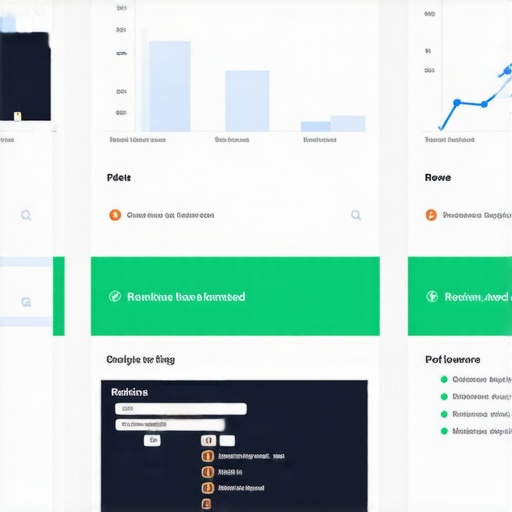
Here’s an image showcasing the dashboard of my recommended local SEO tools, emphasizing how integrated data can streamline maintenance efforts.
Still unsure how to keep your Reno SEO and maps thriving? Reach out via this contact page to explore tailored strategies. Remember, in a dynamic landscape exposed to AI enhancements, proactive tool use is your best bet for long-term success. Try setting up a monthly citation audit with Whitespark and see the difference it makes in sustaining your Reno business’s local visibility. By leveraging these tools effectively, you stay ahead of the curve and your competitors, maintaining dominance in Reno’s local search scene.What the Reno SEO Journey Taught Me Deep Down
One of the most profound lessons I learned is that local SEO isn’t just about rankings—it’s about understanding the subtle shifts in algorithms, especially with AI’s growing influence. I realized early on that ignoring the importance of consistent NAP data can silently sabotage your efforts, often when you least expect it. The most unexpected breakthrough was discovering how Google’s local filters are becoming more sophisticated, demanding more than standard strategies—they require a strategic mindset that adapts continually. I’ve also seen firsthand that investing in advanced review management and citation cleanup can turn the tide, especially in a competitive Reno landscape. Finally, the realization that real-time data analysis empowers smarter decisions, rather than reactive fixes, changed my entire approach to local SEO — making my strategies more resilient against the evolving AI search updates of 2026.



This article hits close to home! I’ve experienced sudden drops in my Reno business’s visibility a few months ago, and I initially thought it was just a glitch. But after digging deeper, I realized the importance of maintaining precise NAP consistency across all listings. The mention of Moz’s study was eye-opening; such a significant impact on rankings really emphasizes why meticulous data management is crucial, especially with AI search influencing local SEO. I’ve started auditing my listings more frequently and noticed an improvement in my map pin accuracy and rankings. One challenge I face now is keeping up with the rapidly evolving local filters and effectively leveraging AI insights for continuous strategy refinement. Have any of you found specific tools or techniques particularly helpful for staying ahead of these algorithmic changes? I’d love to hear how others are adapting in Reno’s competitive landscape.